


Understanding As-Built Drawings and Their Significance in Construction Projects
Construction projects involve many moving parts, from design to execution. One critical element that often goes unnoticed outside the industry is the as-built drawing. These drawings capture the final state of a construction project, reflecting all changes made during construction. Understanding what as-built drawings are and why they matter can help project managers, architects, engineers, and even property owners maintain accuracy and efficiency throughout a building’s lifecycle.
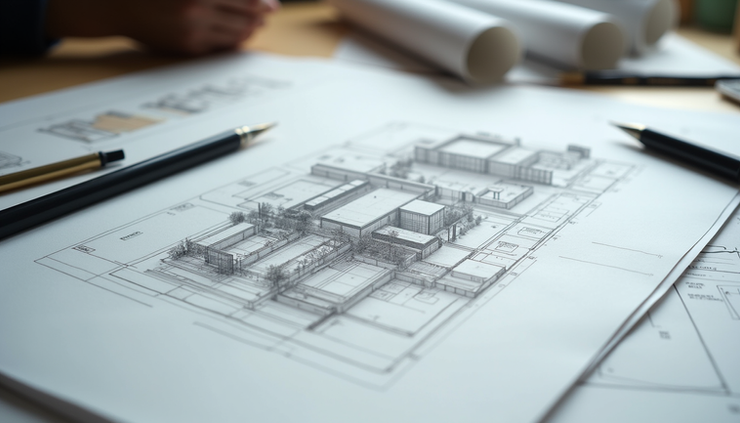
An as-built drawing showing the final layout and modifications made during construction.
What Are As-Built Drawings?
As-built drawings are revised versions of original construction plans that document all changes made during the building process. Unlike initial blueprints or design drawings, as-built drawings show the exact dimensions, locations, and specifications of elements as they were actually constructed.
These drawings include:
Adjustments to walls, doors, and windows
Changes in electrical, plumbing, and HVAC systems
Modifications due to site conditions or design updates
Final locations of structural components
They serve as a precise record of the completed project, reflecting any deviations from the original design.
How Are As-Built Drawings Created?
Typically, as-built drawings are produced by contractors or surveyors during and after construction. The process involves:
Field measurements: Taking accurate measurements on-site to capture real conditions.
Recording changes: Noting any deviations from the original plans, whether due to unforeseen obstacles or design improvements.
Updating drawings: Revising the original plans to incorporate all modifications.
Verification: Cross-checking the updated drawings with the actual construction to ensure accuracy.
This process requires close collaboration between the construction team, architects, and engineers to maintain consistency.
Why Are As-Built Drawings Important?
1. Accurate Documentation for Future Reference
As-built drawings provide a reliable record of what was actually built. This is crucial for:
Maintenance and repairs
Renovations or expansions
Facility management
Without accurate as-built drawings, future work may rely on outdated or incorrect information, leading to costly mistakes.
2. Legal and Regulatory Compliance
Many jurisdictions require as-built drawings to verify that construction complies with building codes and permits. They serve as proof that the project meets safety and zoning regulations.
3. Resolving Disputes
When disagreements arise between contractors, clients, or inspectors, as-built drawings offer an objective reference. They clarify what was agreed upon and what was delivered.
4. Supporting Facility Management
Building owners and managers use as-built drawings to understand the infrastructure, such as electrical wiring, plumbing routes, and structural elements. This knowledge helps in planning maintenance schedules and upgrades.
Examples of As-Built Drawings in Practice
Residential Construction
Imagine a homeowner decides to add a skylight after the original plans were approved. The contractor adjusts the roof framing to accommodate this change. The as-built drawings will reflect the new skylight location and framing details, ensuring that future inspections or renovations consider this modification.
Commercial Buildings
In a large office building, the HVAC system might be rerouted during construction due to space constraints. The as-built drawings will document the new ductwork paths, helping maintenance teams locate and service the system efficiently.
Infrastructure Projects
For bridges or tunnels, as-built drawings capture the exact dimensions and materials used. This information is vital for safety inspections and future upgrades.
Best Practices for Managing As-Built Drawings
Start early: Begin recording changes as soon as they occur to avoid missing details.
Use digital tools: Software like CAD and BIM can streamline updates and improve accuracy.
Maintain clear communication: Ensure all team members understand the importance of documenting changes.
Regularly review: Conduct site visits and cross-check drawings frequently during construction.
Store securely: Keep as-built drawings accessible for future use, both in physical and digital formats.
Challenges in Producing As-Built Drawings
Despite their importance, creating accurate as-built drawings can be challenging:
Time constraints: Construction schedules may limit the time available for detailed documentation.
Human error: Measurements and notes can be inaccurate if not carefully managed.
Complex changes: Some modifications may be difficult to capture precisely, especially in large projects.
Coordination issues: Multiple contractors working simultaneously can lead to inconsistent records.
Addressing these challenges requires careful planning and commitment from all stakeholders.
The Role of Technology in As-Built Drawings
Modern technology has transformed how as-built drawings are created and maintained:
Laser scanning: Provides precise 3D measurements of existing structures.
Drones: Capture aerial views and hard-to-reach areas.
Building Information Modeling (BIM): Integrates as-built data into comprehensive digital models.
Mobile apps: Allow real-time updates and collaboration on-site.
These tools improve accuracy, reduce errors, and save time.


Comments