


Exploring the Architectural Marvels of Milan
- Apr 19
- 3 min read
Milan stands as a city where history and modernity meet through its remarkable architecture. From medieval cathedrals to sleek skyscrapers, the city offers a rich visual story that reflects its cultural and economic evolution. This post explores some of Milan’s most iconic buildings and architectural styles, revealing why the city is a must-visit for architecture enthusiasts.
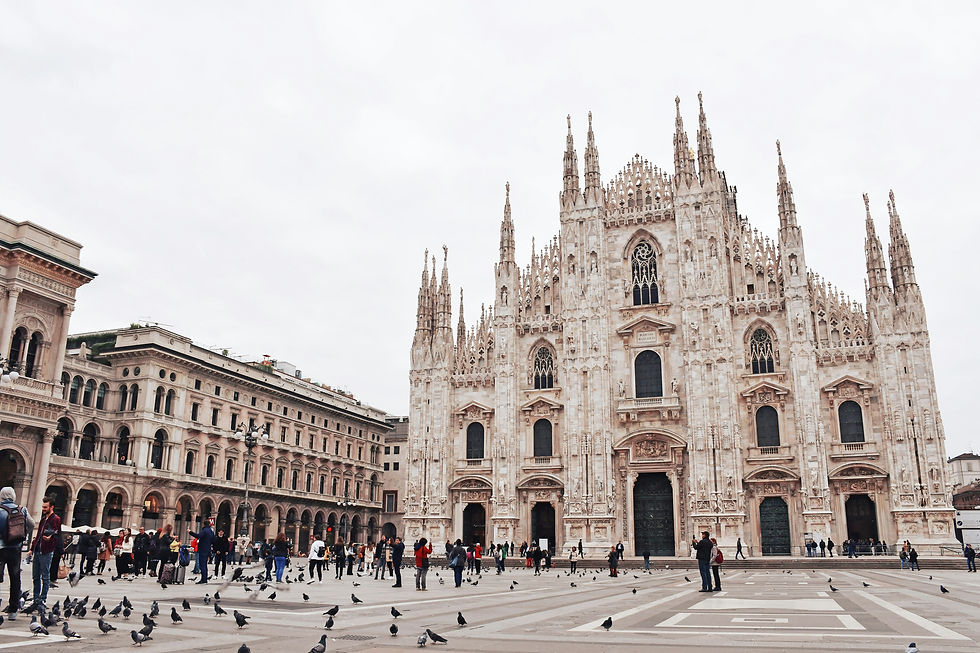
The Gothic Grandeur of Milan Cathedral
The Milan Cathedral, or Duomo di Milano, is the heart of the city’s architectural identity. Construction began in 1386 and took nearly six centuries to complete, resulting in a structure that combines Gothic elements with later influences. The cathedral’s façade is covered with thousands of statues and spires, creating a lace-like effect in white marble.
Visitors often marvel at the cathedral’s vast size and the delicate details carved into its exterior. Inside, the stained glass windows cast colorful light across the nave, enhancing the spiritual atmosphere. The rooftop terraces offer panoramic views of Milan, allowing visitors to appreciate the city’s blend of old and new architecture.
Renaissance and Baroque Influences in Milan
Beyond the cathedral, Milan showcases Renaissance and Baroque architecture in several palaces and churches. The Palazzo Marino, built in the 16th century, serves as the city hall and features elegant Renaissance design with symmetrical windows and classical columns.
Nearby, the Church of San Maurizio al Monastero Maggiore is often called the "Sistine Chapel of Milan" due to its extensive frescoes. Its Baroque interior contrasts with the more austere Gothic style of the cathedral, highlighting Milan’s architectural diversity.
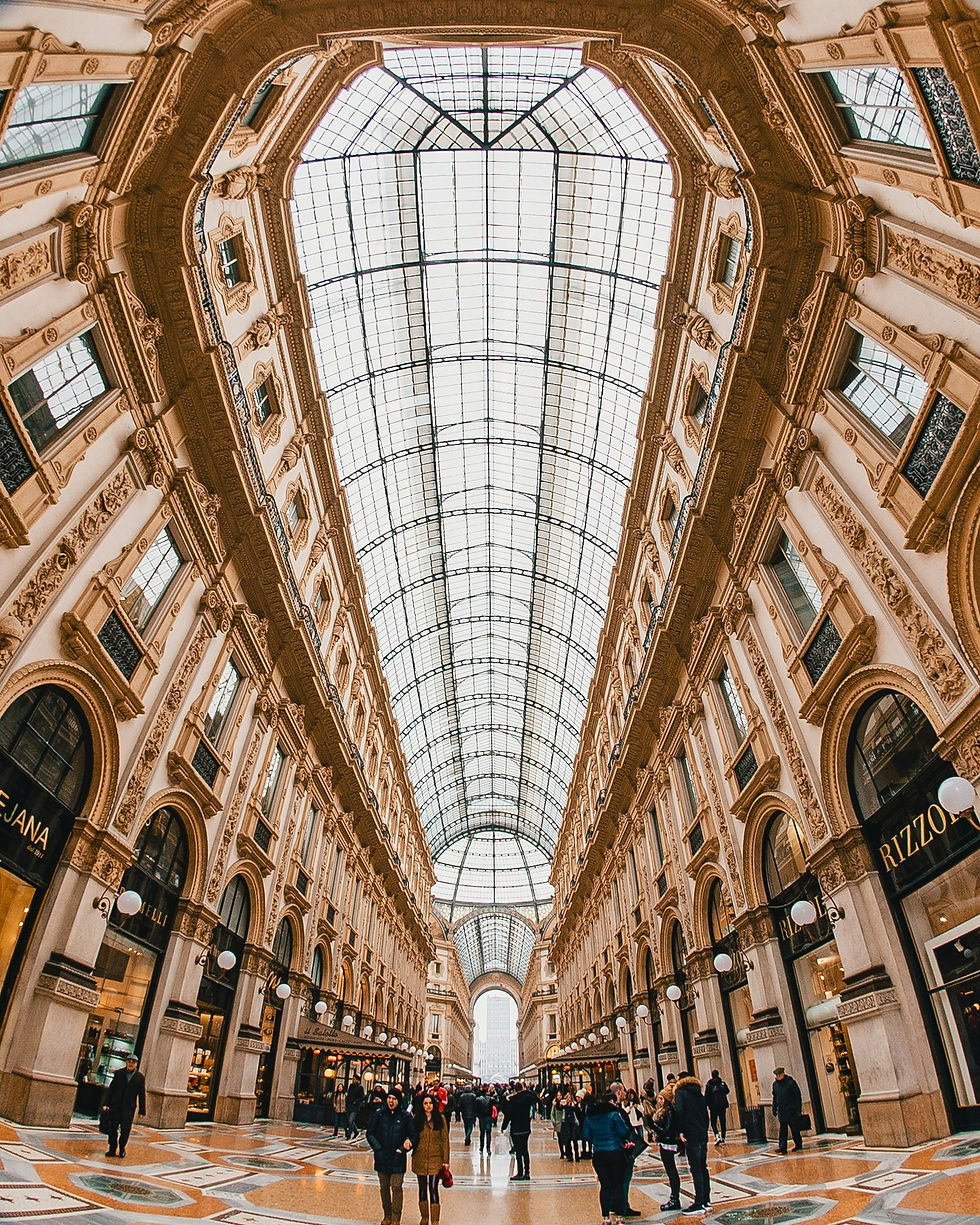
The Rise of Modern Architecture
Milan’s architecture is not frozen in the past. The city embraces modern design, especially in business districts like Porta Nuova and CityLife. These areas feature skyscrapers with glass façades and innovative shapes.
One standout is the UniCredit Tower, the tallest building in Italy. Its curved glass exterior reflects the sky and cityscape, symbolizing Milan’s role as a financial hub. The nearby Bosco Verticale (Vertical Forest) adds a green dimension to modern architecture, with residential towers covered in trees and plants that improve air quality and urban biodiversity.

Combining Tradition and Innovation
Milan’s architectural scene thrives on the balance between preserving heritage and embracing innovation. The Fondazione Prada is a perfect example. This contemporary art space repurposes an old gin distillery, blending industrial architecture with modern design elements. It shows how Milan respects its past while creating spaces for future creativity.
The city also invests in sustainable architecture. New projects often include eco-friendly materials and energy-efficient technologies, reflecting a growing awareness of environmental impact.
Practical Tips for Architecture Lovers Visiting Milan
Start at the Duomo: Explore the cathedral inside and out, and don’t miss the rooftop terraces.
Walk through Brera district: This area offers charming streets with Renaissance buildings and art galleries.
Visit Porta Nuova: See Milan’s modern skyline and the innovative Bosco Verticale.
Check out Fondazione Prada: Experience how old and new architecture merge in a cultural setting.
Use guided tours: Many companies offer architecture-focused tours that provide deeper insights into the city’s buildings.
Milan’s Architecture Inspires All Visitors
Milan’s architecture tells a story of resilience, creativity, and transformation. Whether you admire the detailed stonework of the Duomo or the sleek lines of modern towers, the city offers a unique experience that connects the past with the present. Exploring Milan’s buildings reveals more than just structures; it reveals the spirit of a city that continuously shapes its identity through design.


Comments